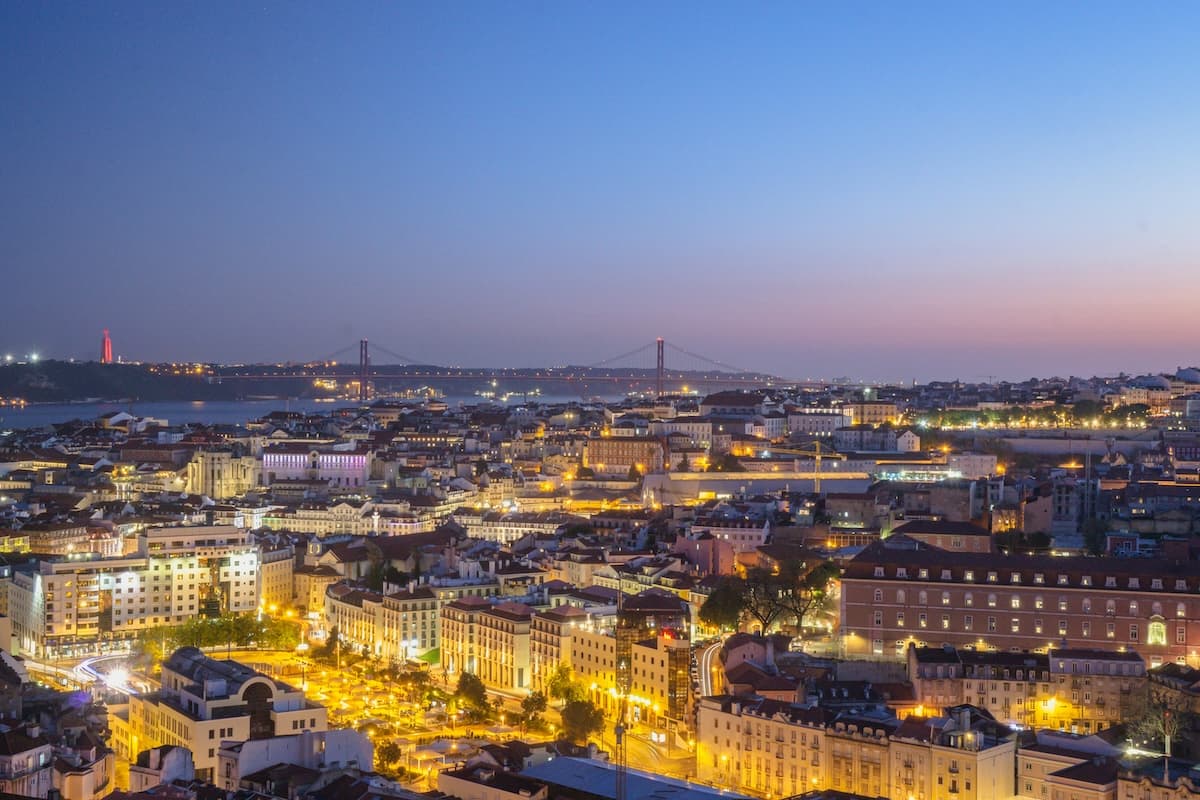
Three Years in Portugal
Three years after moving to Portugal, a personal reflection on pace, paperwork, belonging, and building a life in Lisbon.
If I had to make the same move again, I would still choose Portugal.
But I would do it with much more realistic expectations.
About four years ago, I asked my wife a simple question: “What do you think about moving to Portugal?”
At the time, we had been living in Antalya for almost five years. Life was stable. We had bought an apartment in a good area, owned a car, and our income was comfortably higher than our expenses. Low taxes made it even easier to save and move forward.
There was no urgent reason to leave.
But something was slowly changing.
After the pandemic, things in Turkey started to feel different:
- Severe inflation, with prices changing almost daily
- Noticeable decline in the quality of everyday goods
- Growing anti-immigration sentiment, especially around elections
- Residency renewals becoming unpredictable, even with complete documentation
- Banking restrictions. One of my accounts was blocked simply because my income came from abroad
- Fintech services like Wise becoming limited, directly affecting how I moved money
None of these alone was a dealbreaker. But together, they created a constant sense of instability.
And that was enough.
Why Portugal?
Portugal moved to the top of our list for two reasons:
The combination of the NHR tax regime and the possibility of citizenship after five years.
As of writing this, NHR has been discontinued and citizenship rules are under discussion.
At the time, those two factors were compelling enough to push Portugal to the top of our list.
I had never even visited Portugal.
Because of visa constraints, a quick exploratory trip was not an option. So we did everything remotely. YouTube, blog posts, forums, and conversations with friends.
After a few months of research, we decided to go for it.
I handled most of the initial setup remotely: Getting a NIF, opening a bank account, and preparing the financial groundwork.
Back then, the process was relatively straightforward. Now it is much harder. Some of my friends could not even open a bank account without a residence card.
With the help of a lawyer, I managed to open my account. It took around two months to fully set it up and start routing my income through it.
After that came the embassy process, which was its own mess.
The Reality After Moving
I arrived in Portugal in August 2023. My wife joined me a month later.
The first real shock was the rental market.
Prices were dramatically higher than in Turkey. But the bigger problem was not the price. It was getting accepted at all.
To rent a place, you had to prove yourself: Cover letters, tax records, sometimes even a guarantor.
On top of that, a large portion of Lisbon’s housing stock is old and energy inefficient. We were specifically looking for a modern apartment, which made the search even harder.
After a few weeks, we found a one bedroom, newly built, furnished apartment in Campo de Ourique for around €2000 per month.
Expensive, but it came with features like a rooftop, a pool, and security. In Lisbon, that is close to luxury.
This was also my first real interaction with Portuguese people.
The agent and landlord were both surprisingly helpful. We were new, and they treated us like it.
The first few months were all about starting from scratch: Paperwork, social security, residence permits, and setting up daily life.
At the same time, I started exploring the possibility of buying a property.
Through a friend, I got introduced to Oeiras. After spending some time there, we realized we liked it more than Lisbon. It is quieter, less chaotic, and just easier to live in.
In one of the developments, there were still a few units available.
We found one we liked. But it all came down to one thing: getting a mortgage.
Income verification, financial checks, property valuation. The process took months, and the whole time it felt uncertain.
Eventually, the mortgage was approved, and we were able to buy the apartment. 🎉
I do not think this would have been possible in many other countries within the first year of moving, even with a strong financial profile.
Without that loan, buying this property would not have happened.
Timing mattered. The price of the same unit has increased by roughly 45 percent since then.
After buying the apartment, things finally started to stabilize.
Life slowed down. We shifted our focus to personal projects and building a routine here.
The Good
Being part of the EU and using the euro simplifies life in ways you only appreciate after dealing with constant currency conversions. It creates a sense of stability.
Travel within Schengen is extremely easy. No more visa processes. No more planning months in advance. You just book a ticket and go.
The weather is one of the biggest positives for me. Compared to Antalya, Lisbon feels more balanced. Summers are not as brutal, winters are milder, and most of the year is easy to live with.
That said, it is not perfect. Humidity is high, and many buildings are poorly insulated. Winter inside the house can feel colder than you expect.
Food is fine. Not amazing for me personally, but good enough, and Lisbon has enough variety that you will not struggle.
Safety is a real plus. Day-to-day life feels safe, and that matters more than people admit.
If you earn well, especially from abroad, Portugal can give you a calm and fairly low-stress life.
The Bad
The biggest disappointment for me was taxes.
NHR was one of the main reasons Portugal looked attractive on paper. In practice, it was less appealing than it sounded. I ended up paying around 20 percent tax on income, plus social security contributions.
That gap between the sales pitch and reality is real.
Bureaucracy is slow. Very slow. Simple processes can take weeks or months. There is no clear timeline, and outcomes are not always predictable.
Housing is one of the country’s biggest problems. Rent is high. Quality is often poor. Buying property has become much more expensive, and many people are simply priced out.
Services are generally slow. Banks, telecoms, public services. If you are used to systems that just work, this will frustrate you.
There is also a clear mismatch between salaries and the cost of living. Expenses have increased, but local incomes have not kept up.
The tax system is complex and keeps changing. The bigger issue is uncertainty. You do not know what the rules will look like a few years from now.
We even saw discussions about increasing the citizenship timeline from 5 to 10 years almost overnight. Whether it happens or not is not the point. The fact that it can be proposed so quickly tells you something.
Cars are also more expensive than in places like Spain. It is not a huge issue, but it is noticeable.
Portugal is also on the edge of Europe. The market is smaller, and opportunities that depend on network effects or proximity can be more limited.
Language is another real barrier. You can live here without Portuguese, but you will not fully integrate. In many situations, English is simply not enough.
Healthcare is mixed. The public system is slow. Private healthcare is better, but you need insurance, and that adds cost.
Digital infrastructure is decent, but not great. Internet is generally reliable, but plenty of things still run on old-school processes.
Finally, your experience here is highly dependent on your income source. If you earn remotely, many of these problems are manageable. If you rely on the local job market, your experience will be very different.
The Ugly
There is one part that goes beyond inconvenience: the immigration system. My experience with it was exhausting. Having a valid residence card is not optional. Without it, basic things become difficult, and even traveling can become risky. I had to stand in line multiple times for hours. In some cases, from 2 AM until morning. And even then, nothing was guaranteed.
The problem is not just the delay. It is the lack of transparency, the lack of response, and the feeling that you have no control over the process.
At some point, things do not feel slow. They feel unreliable.
The system is also under pressure. Portugal has seen a big increase in immigration, and the infrastructure was not ready for it.
You can see the result. Immigrants struggle. Locals get frustrated. And if you pay attention, you can feel the tension.
Final Thoughts
This is my experience.
I am a software engineer working remotely with a relatively good income, and that shapes almost everything.
If your situation is different, your experience will be different too.
Portugal can work very well if you bring your own income, patience, and realistic expectations. If you do not, the tradeoffs will feel much heavier.
I do not regret moving here. But I also would not sell it as some easy upgrade.
Rarely, but worth it
A short note whenever I publish something new.
Plus one newsletter-only post each month.